Discover Umi Sake House
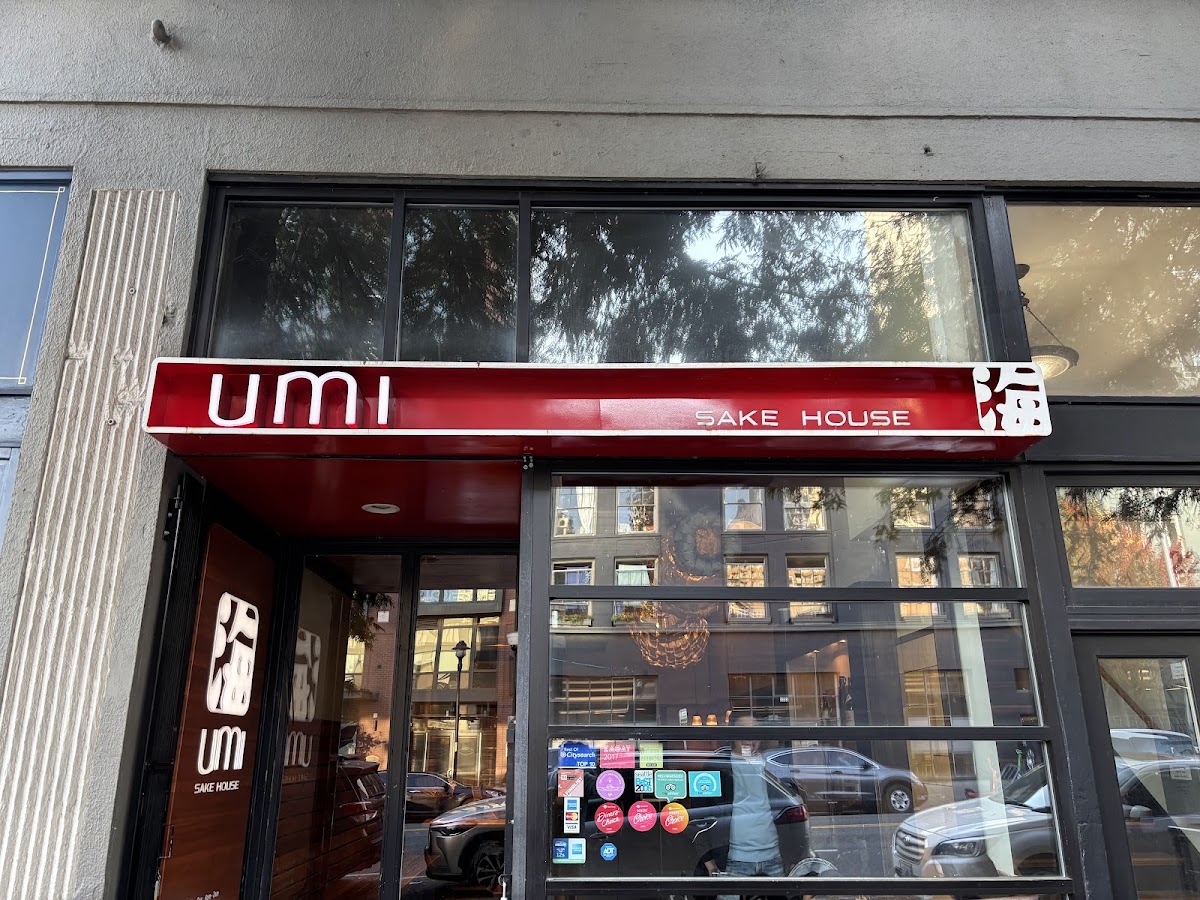
Walking into Umi Sake House for the first time felt like stepping into a lively Tokyo neighborhood izakaya, except it sits right in the heart of Seattle at 2230 1st Ave, Seattle, WA 98121, United States. I still remember the buzz of conversation, the open kitchen energy, and the way the staff called out orders with practiced rhythm. That first visit was years ago, and after countless returns-both casual drop-ins and planned dinners with out-of-town friends-the experience has stayed remarkably consistent, which is no small feat in a competitive food city like Seattle.
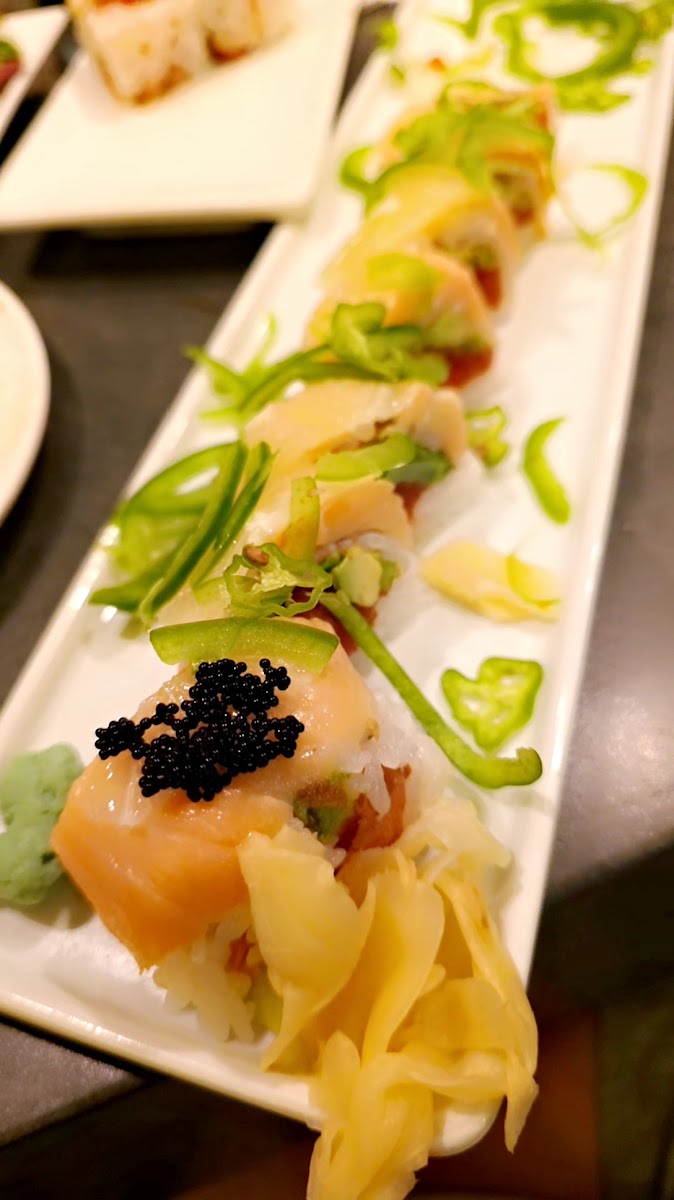
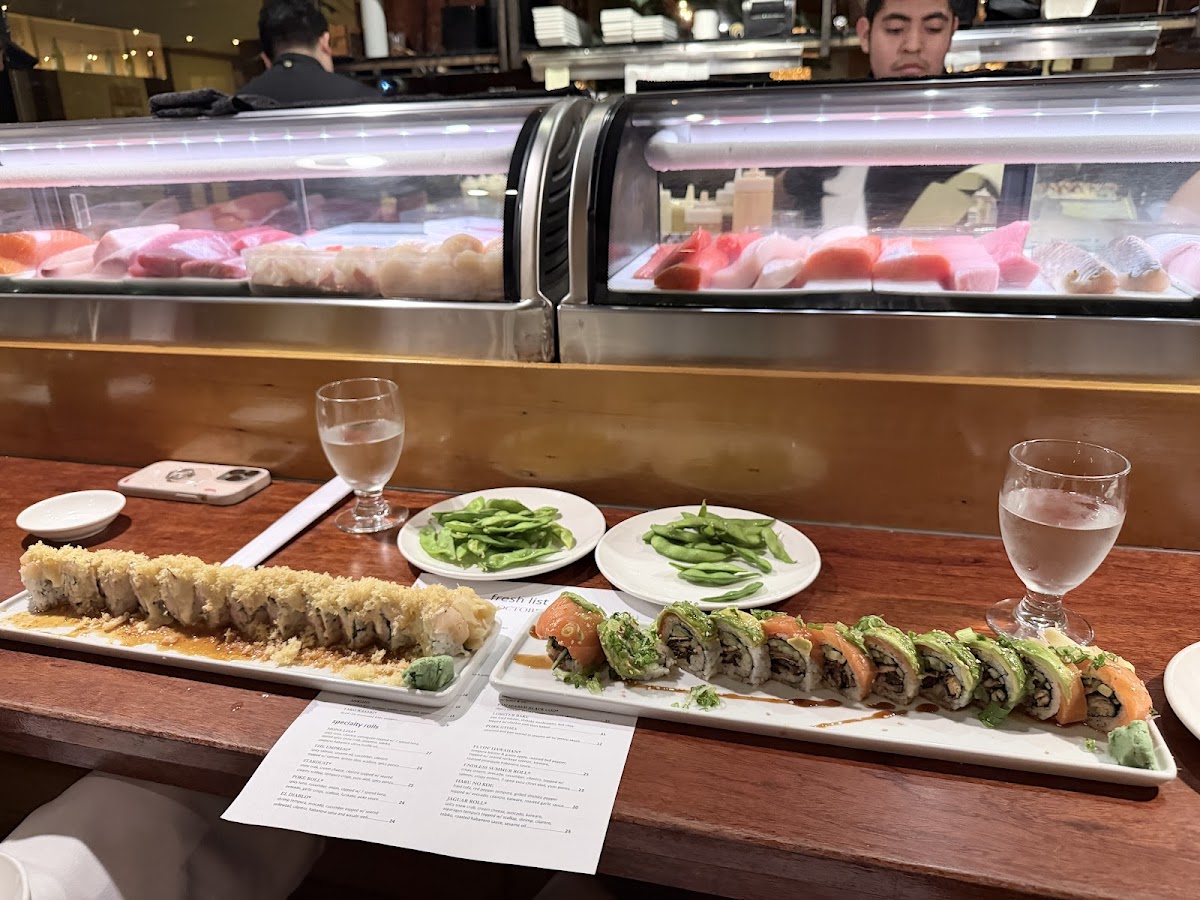
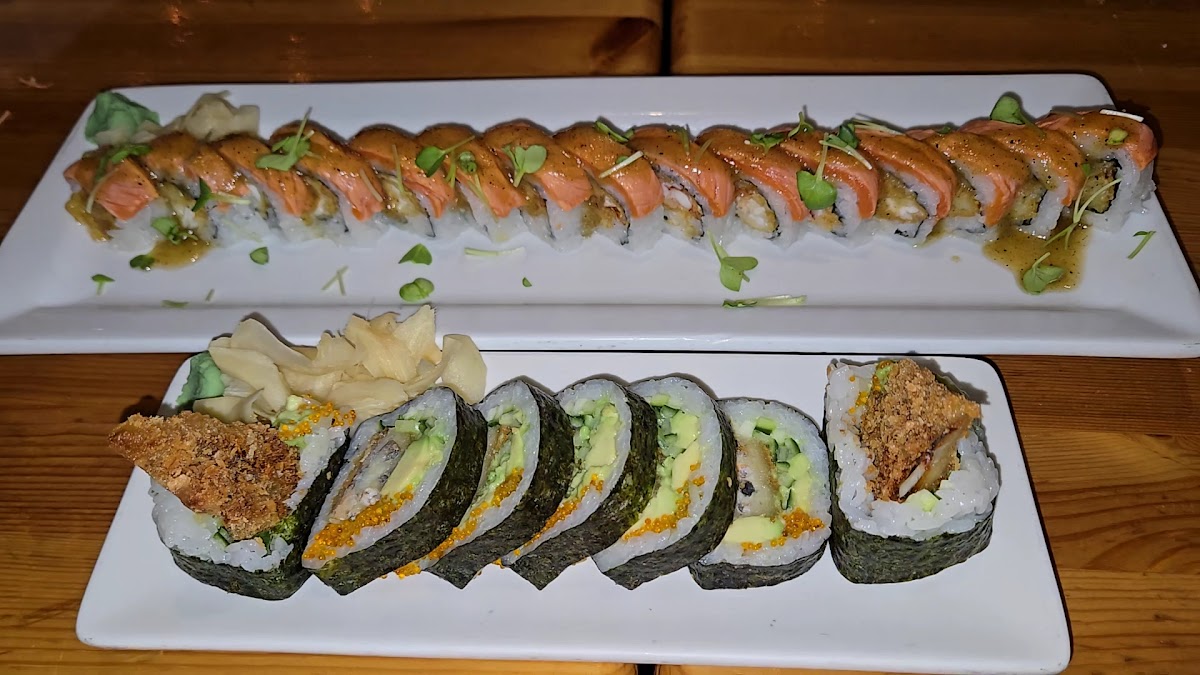
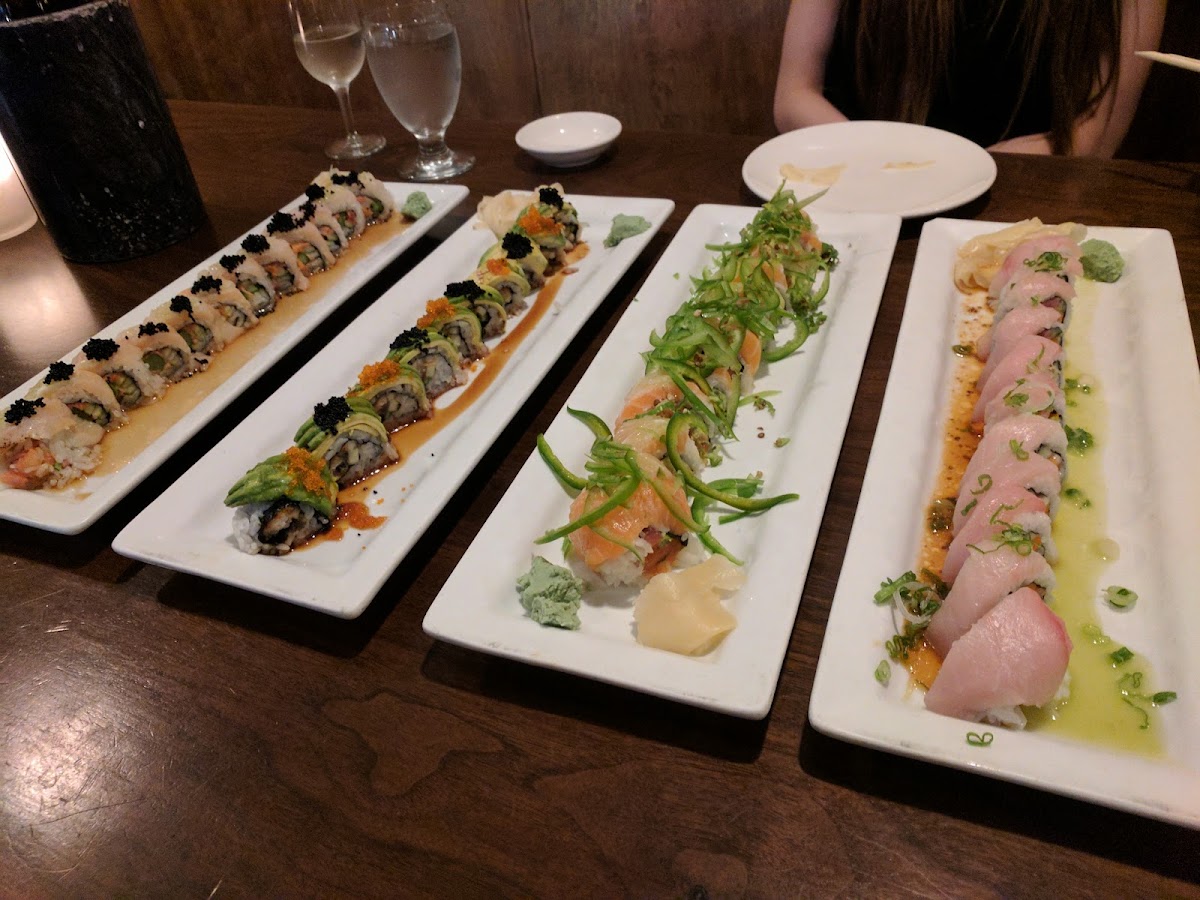
The menu is where things really start to shine. Umi is best known for its sushi and sashimi, but limiting it to just that would miss the point. The selection reflects a balance between traditional Japanese techniques and Pacific Northwest sensibilities. Freshness isn’t just a talking point here; it’s visible. The fish cuts are clean and vibrant, something chefs are trained to prioritize because oxidation and texture changes happen quickly with seafood. According to data from the National Fisheries Institute, proper cold-chain handling can preserve fish quality for up to 48 hours post-harvest, and Umi’s sourcing clearly respects those standards. Dishes like the salmon nigiri or hamachi sashimi showcase that care without unnecessary embellishment.
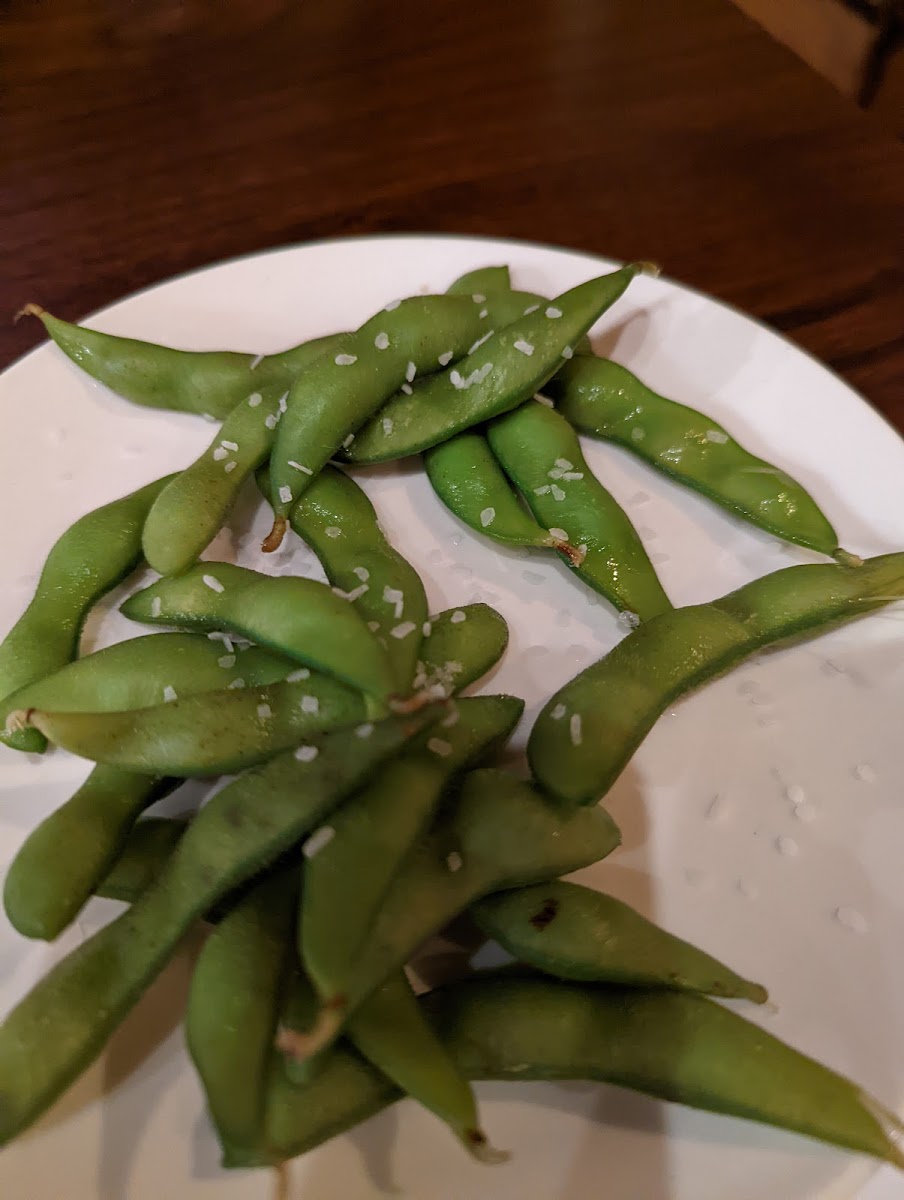
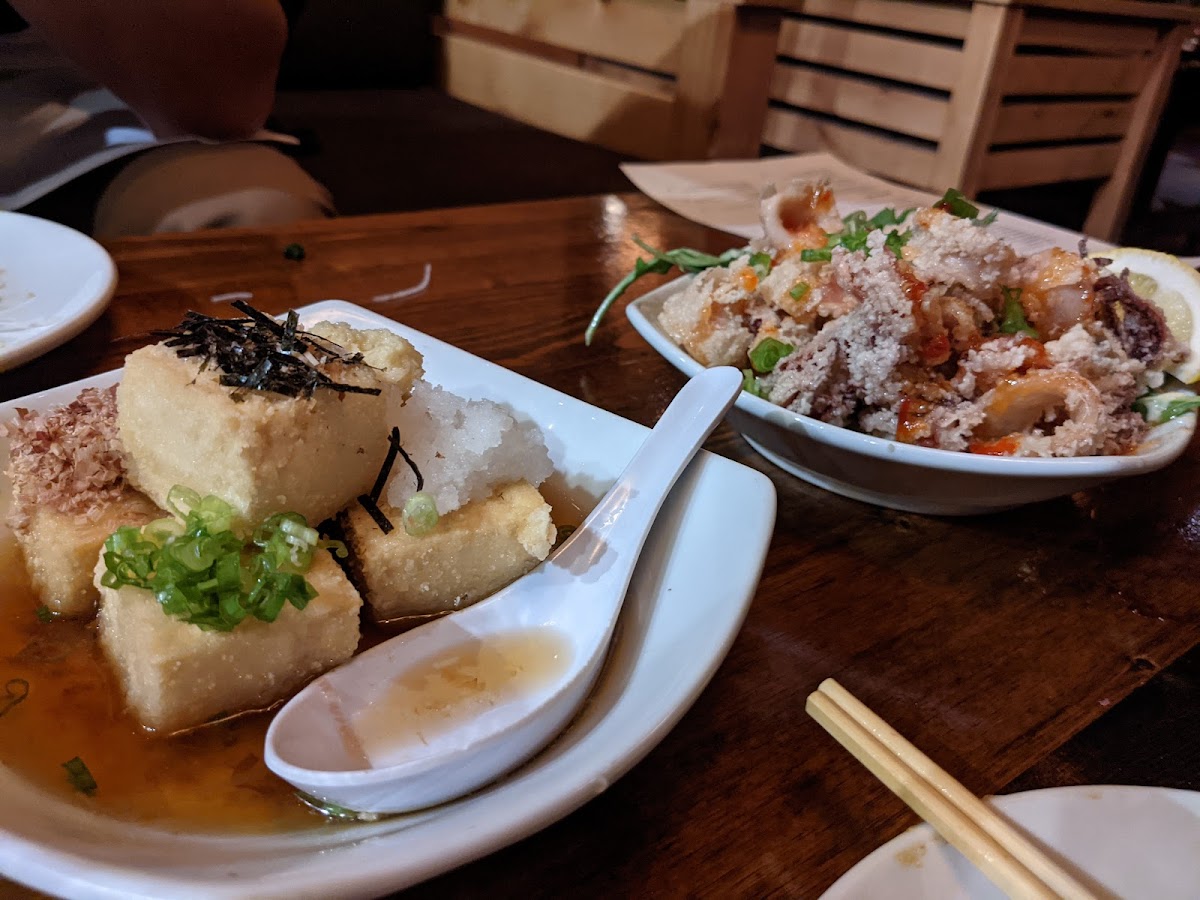
What often surprises first-time diners is how strong the non-sushi items are. The fried calamari arrives crisp but light, and the yakisoba has that slightly smoky flavor that only comes from high-heat cooking. I once brought a friend who claimed they didn’t like sushi, and they left talking about the chicken karaage and pork belly. That kind of menu depth matters, especially for group dining, which is probably why reviews frequently mention how easy it is to please everyone at the table.
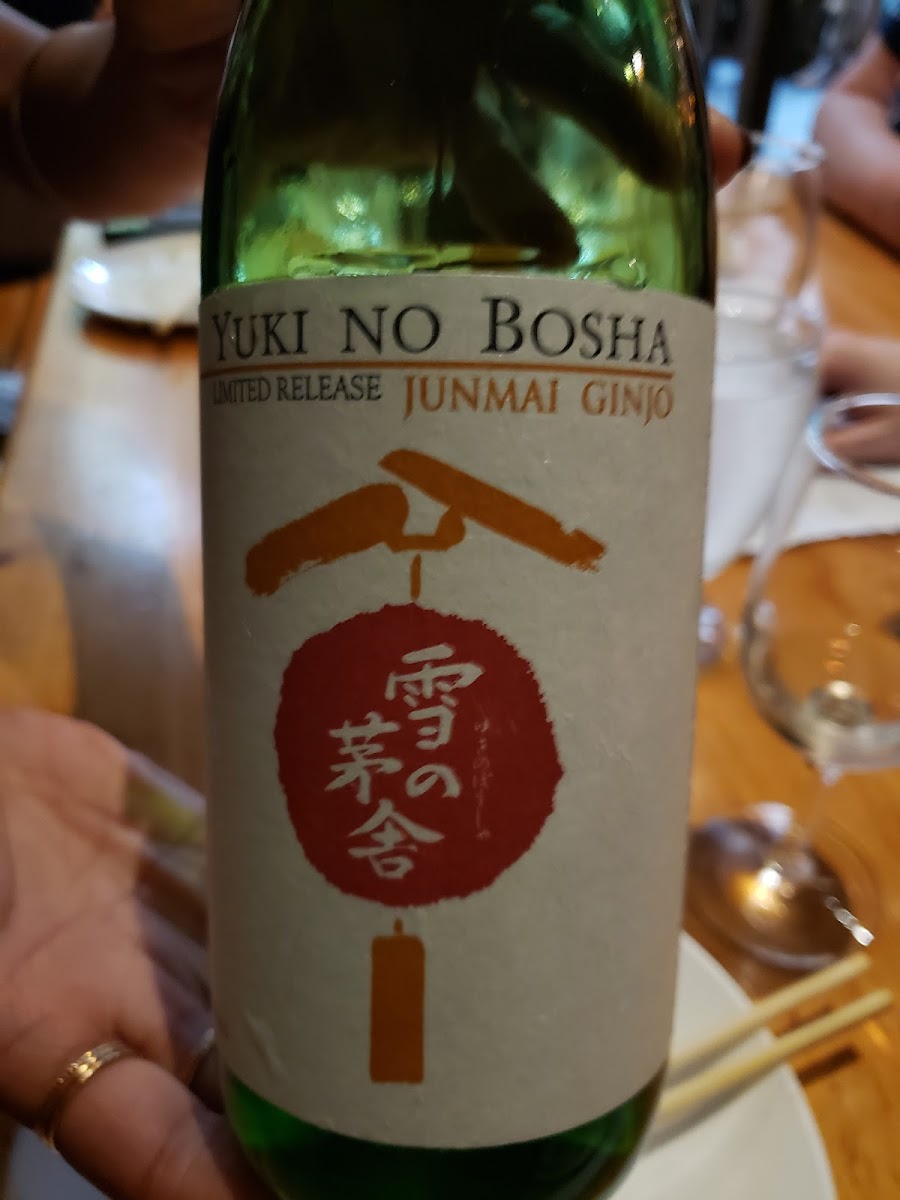
Sake is more than a side note here; it’s part of the identity. The sake list is extensive, and the staff actually knows it. On one visit, a server walked me through the difference between junmai and daiginjo styles in plain language, explaining polishing ratios and flavor profiles without sounding rehearsed. Organizations like the Sake Education Council emphasize proper education to enhance appreciation, and you can tell the training here aligns with those principles. Even if you usually default to beer or cocktails, the tasting flights make exploration approachable.
The atmosphere plays a huge role in why people keep coming back. It’s loud, energetic, and unapologetically social. This isn’t a quiet date-night sushi bar; it’s a place where shared plates and conversation are part of the process. I’ve overheard tourists comparing notes with locals, both agreeing that the vibe feels authentic rather than themed. That authenticity shows up again and again in reviews, especially from diners who’ve spent time in Japan and recognize the casual izakaya style.
Location-wise, being on 1st Avenue makes it an easy stop before concerts or waterfront walks. Parking can be tricky during peak hours, which is worth acknowledging, but most regulars plan around it or use rideshares. That’s a small tradeoff for a restaurant that manages to stay relevant year after year.
No place is perfect, and during busy weekend nights, waits can stretch longer than expected. Still, the staff does a solid job managing expectations, and the bar area makes the time pass quickly. As one diner near me once put it, worth the wait, and after all these visits, that assessment still holds true.